Epoxy Garage Floor Care in Riverside: Cleaning and Maintenance
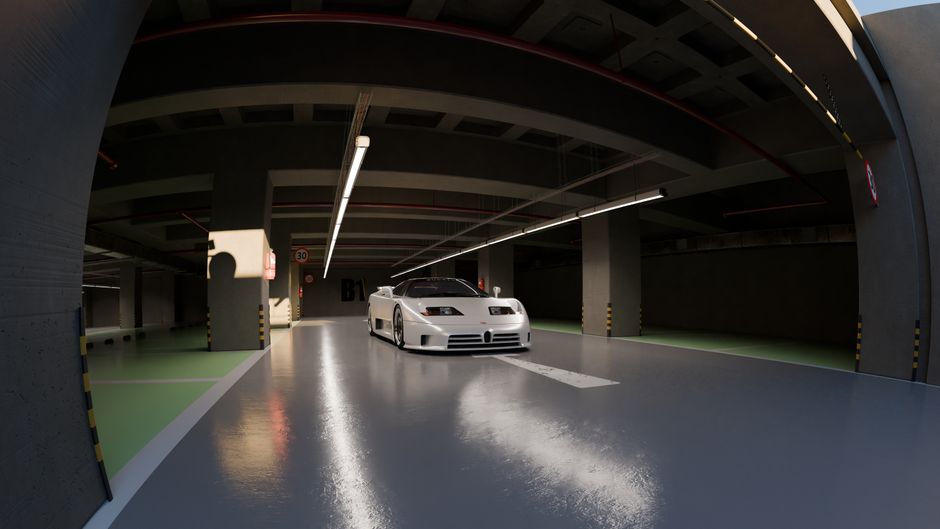
A Riverside epoxy garage floor stays good-looking when you control four things: grit, water spots, sun, and what sits on the coating. Epoxy is not maintenance free, but the routine is short, and most of the damage people see on older floors traces back to a handful of avoidable habits.
Start With Grit, Not Soap
Fine grit under tires and shoes works like sandpaper, and it is the main reason glossy floors go dull in the wheel lanes. A dust mop or soft broom once a week does more for the finish than any cleaner.
Riverside adds its own grit sources:
- Santa Ana winds. Fine dust gets pushed under the garage door seal and spreads across the floor. Sweep or dust mop after a wind event, before driving in and out repeatedly, because each tire pass grinds that dust into the topcoat.
- Yard paths. Many Riverside yards use decomposed granite, gravel, or bark. These track sharp mineral grit onto the floor. A walk-off mat at the yard door and a quick sweep after yard work prevent scratching.
- A worn door seal. Replace the garage door bottom seal when it is cracked or flattened. A good seal keeps out wind-blown dust, runoff during the rare heavy rain, and insects, which means less cleaning and less damage along the edge.
The Wet Cleaning Routine
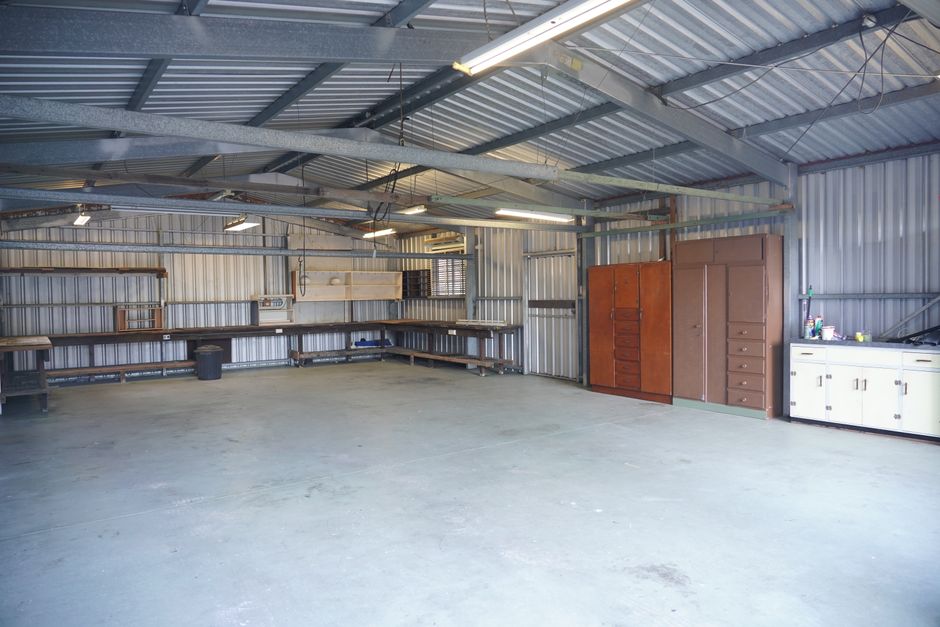
When the floor looks grimy, wash it with a microfiber or foam mop, warm water, and a mild pH neutral cleaner. A few ounces of household ammonia per gallon of water is a widely used option and is often recommended by coating makers. If your installer or coating maker gave you care instructions, follow those first.
For stuck-on spots, use a soft nylon brush or a white non-scratch pad. Wire brushes, steel wool, and aggressive scouring pads leave permanent scratches in the gloss.
Products to Keep Away From the Floor
- Dish soap at full strength, and floor soaps made for wood or tile. They leave a film that dulls the gloss, holds dirt, and makes the floor slippery.
- Vinegar, citrus cleaners, and other acids. Repeated use can dull or etch the surface over time.
- Bleach and other "all-purpose" products. No household cleaner should be assumed safe on epoxy. If you are unsure, test it in an out-of-the-way corner.
Dry the Floor After Washing
Hard water is common across the Inland Empire, and it leaves white mineral spots and haze when it dries on a glossy floor. On a hot afternoon the water flashes off quickly and the spots set fast. Squeegee or towel the floor dry rather than letting it air dry. Drying also matters for safety, since a smooth glossy coating is slippery when wet.
If You Pressure Wash
Pressure washing is possible, but it carries risk. Use a wide fan tip and keep the wand well back from the surface. Never aim the jet at chipped spots, cracks, or the edge of the coating at the door or walls. A tight stream at an edge can drive water under the coating and lift it. Close-range washing is not risk free, even on a sound floor.
Spills: What Gets Wiped Up Right Away
Wipe up automotive fluids promptly. Oil and gasoline usually clean up easily if caught early. Other fluids are less forgiving:
- Antifreeze makes the floor dangerously slick.
- Brake fluid, battery acid, and some solvents can soften or stain the coating if they sit.
- Pool chemicals deserve special attention in Riverside, where many homes have pools and the garage often doubles as storage. Spilled muriatic acid or chlorine can etch or discolor epoxy. Keep these products on a plastic tray or shelf, keep caps tight, and rinse any drips immediately.
For paint or adhesive that has dried on, test any solvent in a hidden corner first. Apply it sparingly on a rag rather than pouring it on, and never let it puddle.
Tire Marks and Hot Tire Pickup
Brown or black staining where tires rest comes from chemicals migrating out of the rubber. Clean it early with a degreaser and a soft nylon brush or non-scratch pad. Stains left for months may never fully lift.
Hot tire pickup is a separate, real summer risk. Tires come off hot freeway pavement soft and hot, and they can lift or stain coatings that are thin, poorly bonded, or missing a durable topcoat. Floors with a polyurethane or polyaspartic topcoat resist this better than a single thin coat of epoxy, but no floor should be treated as immune. If the coating near the parking spot starts to lift, that is a signal to have it looked at, not just wiped.
Protect the Surface From Weight and Heat
Coatings are softer on hot summer days, and point loads can dent them.
- Put plastic or rubber pads under jack stands, motorcycle kickstands, ladders, and heavy shelving feet. A piece of plywood under a kickstand is a common fix.
- Lift heavy toolboxes, mowers, and equipment, or put them on casters. Do not drag them.
- Keep welding, grinding, and cutting off the coating, or cover it. Sparks and hot slag burn pits into it.
- Set metal paint cans and steel shelf legs on plastic pads or trays. Moisture trapped under metal leaves rust rings that can be hard to remove.
A Note on Mats
Use mats labeled non-staining or safe for coated floors, because some rubber mats discolor epoxy over time. Any mat can also trap water underneath. Lift mats and dry beneath them after washing. Epoxy is not fully waterproof in practice, and standing water or wet mats left in place do not help the coating.
Sun and Yellowing
Most epoxy ambers or yellows with UV exposure. In Riverside, a garage door left open through strong afternoon sun, especially on a west-facing garage, exposes the front of the floor to a lot of UV. Keep the door closed when you are not using the space. If yellowing bothers you, a UV-stable topcoat such as polyaspartic or aliphatic polyurethane slows it down. It does not make the floor fade-proof.
The Yearly Inspection
Once a year, walk the floor and look closely at the door threshold and along the walls. Check for chips, peeling edges, and lifting.
Small chips let water and grit get under the coating and spread the damage, so patch them early with a repair kit that is compatible with your coating.
When Peeling Points to Moisture
White blushing, bubbles, or peeling that starts out from the slab can mean moisture is coming up through the concrete. Riverside is dry, but that does not rule out moisture problems. Sprinklers and planters next to the garage can wet the soil under the slab edge. Aim sprinklers away from the garage. If peeling is spreading, have a professional assess the cause rather than patching over it, since a patch on a wet slab will not hold.
When to Recoat
Recoat based on wear, not the calendar. When the wheel lanes and walk paths look dull, or the topcoat looks thin, a scuff sand and new topcoat restores the surface. Doing this before wear reaches the color coat or the concrete avoids a full strip and redo. A correctly installed floor still eventually needs this step.
If the floor stays slick even when clean and dry, a recoat with anti-slip aggregate in the topcoat is the lasting fix.
A Simple Care Schedule
- Weekly: dust mop or sweep, and after any wind event or yard work.
- As needed: wash with a pH neutral cleaner, then squeegee dry. Wipe spills right away.
- Seasonally: lift mats, check pads under stands and shelving, and check the door seal.
- Yearly: inspect edges and thresholds, patch chips, and check sprinkler aim.
- When the gloss fades in traffic areas: plan a scuff and topcoat.
Done consistently, this keeps the floor looking close to new and catches small problems while they are still cheap to fix.