Can an Epoxy Garage Floor Handle a Home Gym or Workshop in Riverside?
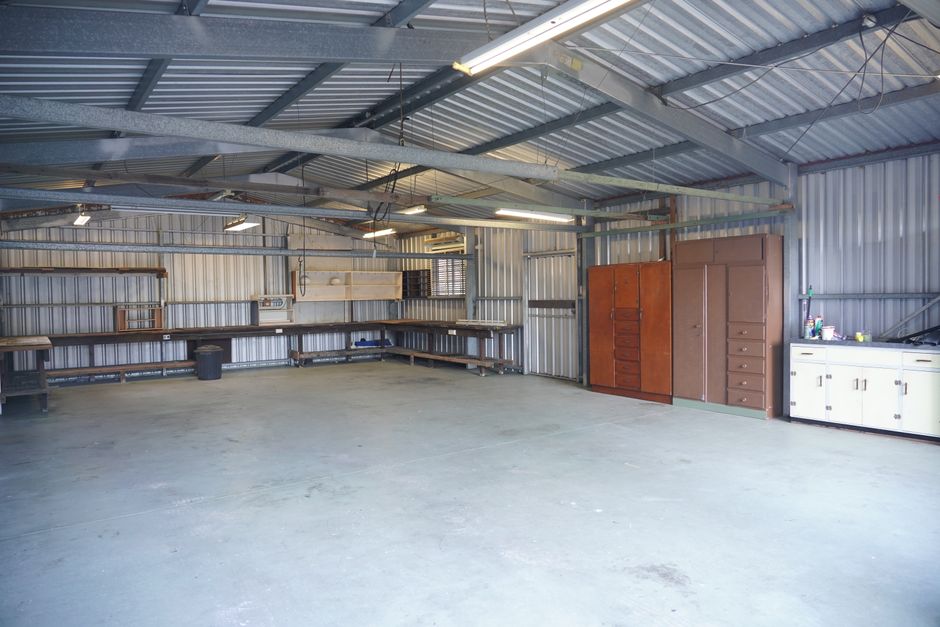
An epoxy garage floor can handle a home gym or workshop in Riverside, but only if the coating is a properly built system and the weights and wheels are managed. A ground, multi-coat floor with a hard topcoat takes foot traffic, rolling carts, and daily lifting well. A thin roll-on kit does not. And no epoxy is made to shrug off a dropped loaded barbell.
What the Floor Is Actually Carrying
The concrete carries the weight. Epoxy is a skin on top of the slab, and it does not make the slab stronger or raise its load capacity. What the coating has to do is resist wear, scuffing, chemicals, and the pinpoint pressure that heavy things create.
That is why two garages with the same "epoxy floor" can behave very differently. A rack, a lift, and a loaded tool chest all press on small areas, and a weak coating shows it fast.
Build Quality Matters More Than the Label
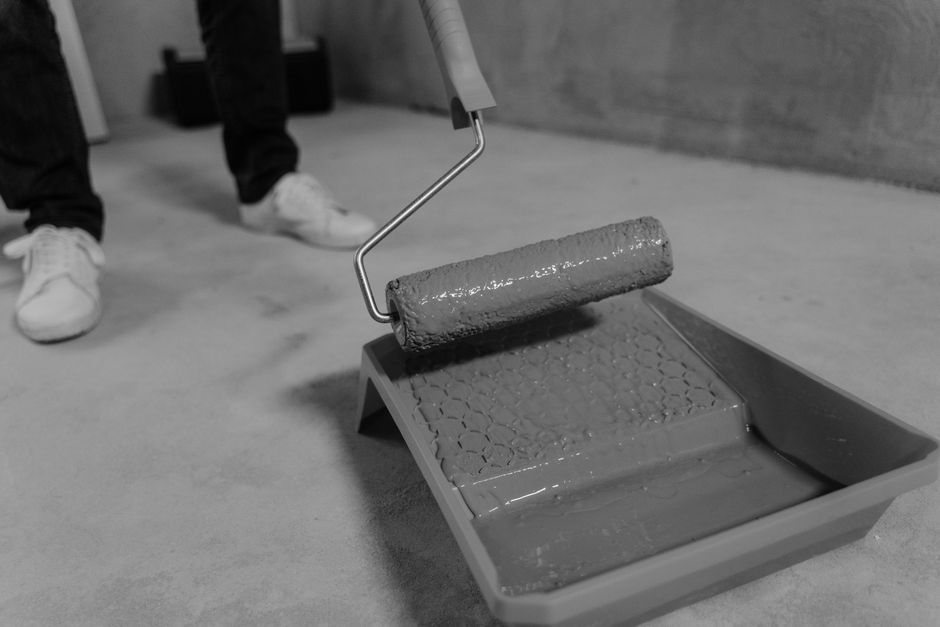
A thin, water-based roll-on kit and a multi-coat system of high-solids epoxy with a hard topcoat are not the same product. The first is fine for a lightly used storage garage. Under weights and rolling tools, the second is what holds up.
Before any work starts, ask two questions of whoever quotes the job:
- How many coats will go down?
- What will the total film thickness be, in mils?
A clear answer to both is a good sign. A vague answer about "premium epoxy" is not.
Prep Decides Whether It Survives
Heavy use exposes poor prep more than any other flaw. Diamond grinding opens the concrete so the epoxy grips it mechanically. Acid etching alone often leaves a weak surface layer, and that layer can let go under impact or twisting loads, such as a pivoting squat rack foot or a spinning machine stand.
If a quote skips grinding, expect trouble once the floor is put to work.
Check the Slab for Moisture First
A dry climate does not mean a dry slab. Riverside has many decades-old slab-on-grade homes, and older slabs may have no vapor barrier beneath them. Moisture moving up through the concrete can blister and lift a coating no matter how heavy-duty it is.
A simple home check: tape a square of clear plastic tightly to the bare slab and leave it overnight. Darkened concrete or droplets under the plastic mean moisture is moving through, and a moisture-tolerant primer or a more formal test is needed. White powder or crust along the slab edges or cracks is efflorescence, another sign of moisture movement worth investigating before coating.
Riverside Heat and Wind During Installation
Inland Riverside garages get very hot in summer, and both the mixed epoxy and the slab can be warm. Heat makes epoxy set faster in the bucket and on the floor, which shortens working time and can leave roller marks or weak spots. Good installers apply early in the day when the slab is cooler and mix only what can be spread in time.
Santa Ana winds are the other local factor. They push dust and debris into a garage, and anything that lands in wet epoxy is locked in. The door should stay down during application and cure, and windy days are better skipped.
Dropped Weights: The Honest Limit
Epoxy is hard but brittle under point impact. A dropped dumbbell, kettlebell, or loaded barbell can chip or crack the coating, and sometimes the concrete under it. A tougher system resists this better, but nothing makes the floor indestructible.
For lifting, plan on one of these where weights land:
- Rubber stall mats cut to fit the lifting area
- A purpose-built lifting platform for deadlifts and Olympic lifts
- Dedicated mats under the dumbbell rack and bench
Rubber has its own catch. Some mats and tires contain plasticizers that can discolor certain coatings over time, especially in heat. Lift the mats now and then to check underneath, and keep both the mat and the floor clean and dry.
Texture for Sweat, Oil, and Water
A fully smooth gloss coating gets slick when sweat, oil, or water hits it. For a gym or shop, ask for a fine aggregate broadcast into the topcoat so there is traction underfoot.
Choosing flake also helps a working floor. A full or partial flake broadcast hides scratches, scuffs, and tool marks far better than a solid gloss color, so the floor still looks decent after a year of use.
Rolling Loads, Stands, and Machine Feet
Small hard casters concentrate weight into tiny contact patches. Rolling toolboxes, engine hoists, and equipment carts on small hard wheels can gouge or dent a coating. Larger polyurethane casters spread the load better and roll more easily.
Point loads need help too. Jack stands, kickstands, and the feet of heavy machines should sit on plywood or composite pads so the load spreads instead of pressing into one small spot.
Workshop Hazards
A shop adds a few things a gym does not.
- Sparks and slag. Welding and grinding sparks can burn the surface and leave marks or pits. Lay a welding blanket or steel sheet under the work area.
- Chemicals. Good epoxy systems resist motor oil and gasoline well, but brake fluid, paint strippers, and some strong solvents can soften or stain the coating if they sit. Wipe spills promptly.
- Bolt-down equipment. Drilling for a lift, rack, or stationary tool can fracture the surrounding coating. Plan anchor locations before the floor is coated, or seal the edges of each hole after drilling.
When a Car Shares the Bay
Hot tires coming off the freeway can soften and lift poorly bonded or thin coatings. If the gym or shop shares the garage with a car, good prep and a proper topcoat reduce that risk considerably.
Sunlight matters as well. Plain epoxy ambers under UV. A garage with the door open to strong afternoon sun, especially a west-facing door, benefits from a UV-stable topcoat such as polyaspartic or polyurethane. That topcoat also adds abrasion resistance, which helps in a space with constant foot and wheel traffic.
Cracks, Slope, and the Threshold
Epoxy does not stop slab movement. Cracks that are still moving will reappear, and some Riverside-area soils shift with moisture changes. Control joints should be detailed so they can move, not bridged with a rigid fill that will crack again.
Many garages also slope toward the door, and the threshold takes the most sun, water, and tire traffic, so peeling often starts there first. Shim equipment level rather than expecting the coating to correct the slope.
Cure Time Before the Weights Come In
Light foot traffic is often fine within about a day. Racks, heavy equipment, and vehicles usually need several more days, and full chemical cure can take about a week depending on the product and temperature. Follow the product data sheet, not the dry-to-touch feel. Moving a rack in early is one of the most common ways to dent a brand-new floor.
Keeping a Working Floor in Shape
Grit wears the floor fastest. Sand tracked in acts like sandpaper under shoes and wheels, so sweep or dust mop often. Clean with a mild neutral cleaner and skip abrasive scrub pads.
Repairs are possible, since chips can be patched, but aged and sun-exposed coating rarely matches new material exactly. Keep leftover flake and note the product used, so a patch years from now has the best chance of blending in.
The Practical Answer
A home gym is realistic on a well-installed epoxy floor if mats protect the lifting zone. A workshop is realistic if the coating is textured, the slab is dry, and the shop habits protect the surface from sparks, spills, and point loads. The floor that fails is almost always the one with thin coats, light prep, or an unchecked slab, not the one that was simply used.